


 Sign In
 Sign In
2025 was a transformative year for Canadian personal finance, marked by creativity and resilience. Trends like “revenge saving” and “No Buy 2025” inspired smarter spending habits, while a renewed push to buy local reflected Canadians’ commitment to their communities.
Cooling inflation and modest interest rate drops offered welcome relief, and new ways of seeking advice—from AI to social media—expanded financial conversations like never before. Through all this change, one thing stayed constant: Canadians want practical, trustworthy guidance that delivers clarity and confidence.
As we look ahead to 2026, here are the most-read Advice+ articles of the year—and why these topics resonated so strongly.
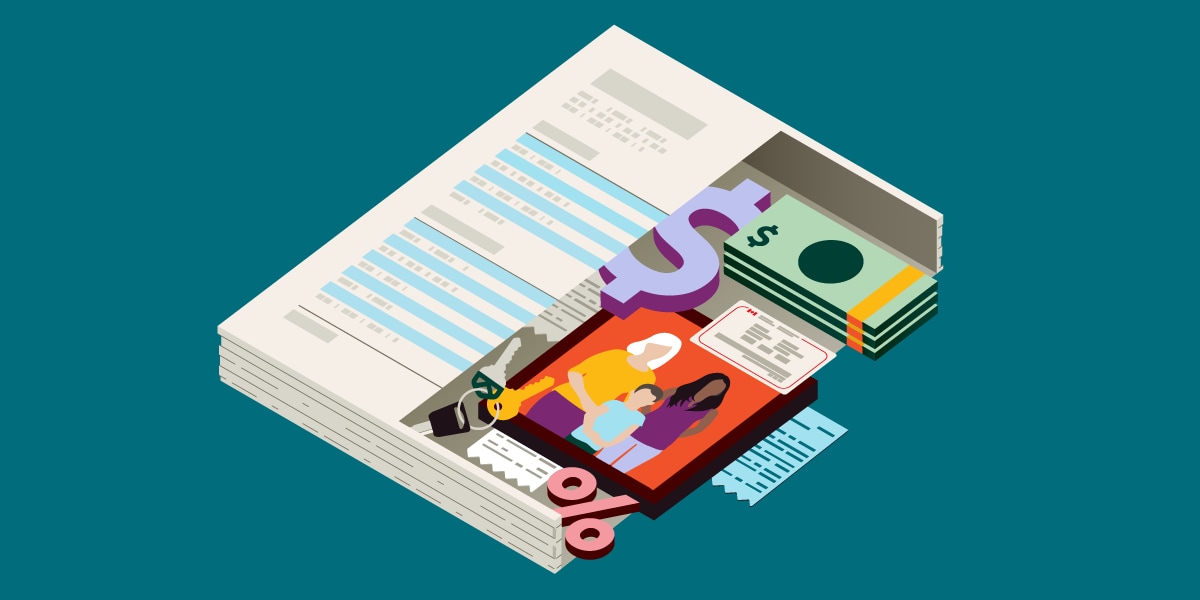
No surprise this category attracted so much attention. The year 2025 delivered a handful of tax wins for Canadians, from higher tax brackets and contribution limits to a small midyear tax cut that put more money in people’s pockets. Plenty of people put that extra cash to work — StatsCan reports households saved 4.7% of their disposable income in Q3.1
Top reads on Canadian taxes and contributions:
Filing Taxes in Canada




RRSPs, TFSAs, RESPs, FHSA and more






Canadians are banking digitally more than ever, and when money is on the fly, speed and convenience matter.2 It’s not a shocker that e-transfer remained the go-to tool for quick cash moves, especially as more people shared expenses to help stretch their budgets.3 Our take? Many readers gravitated toward practical, get-it-done guides to help simplify everyday banking.
Where Canadians sought advice on banking and spending:


The credit world certainly had a very busy year. Canadians continued to rely on digital payments in 2025, with credit cards accounting for 33% of total payment volume and digital payments continuing to climb. The number of credit cards in circulation also hit a whopping 112 million — a 5% jump year-over-year.4
With credit cards dominating daily spending, everything from credit limits to credit scores definitely struck a chord with readers.
Credit scores and credit card articles you binged:




Interest rates dropped in 2025, giving hopeful buyers a lift and making monthly mortgage payments feel a little lighter for those already in their homes. Still, housing affordability stayed front-and-centre: 87% of Canadians said they’re concerned about the state of housing. But even with high prices remaining a defining issue across the country, the homeownership dream isn’t dead — nearly 65% of non-owners still want to buy someday, with optimism strongest among younger Canadians.5
And many found practical ways forward: according to the latest CMHC survey, buyers used personal savings for their down payments in 2025, with 38% tapping into First Home Savings Accounts (FHSAs), and most felt confident that they secured the right mortgage for their needs.6
In short, the real estate market was tough, but the motivation to buy a home is alive and kicking.



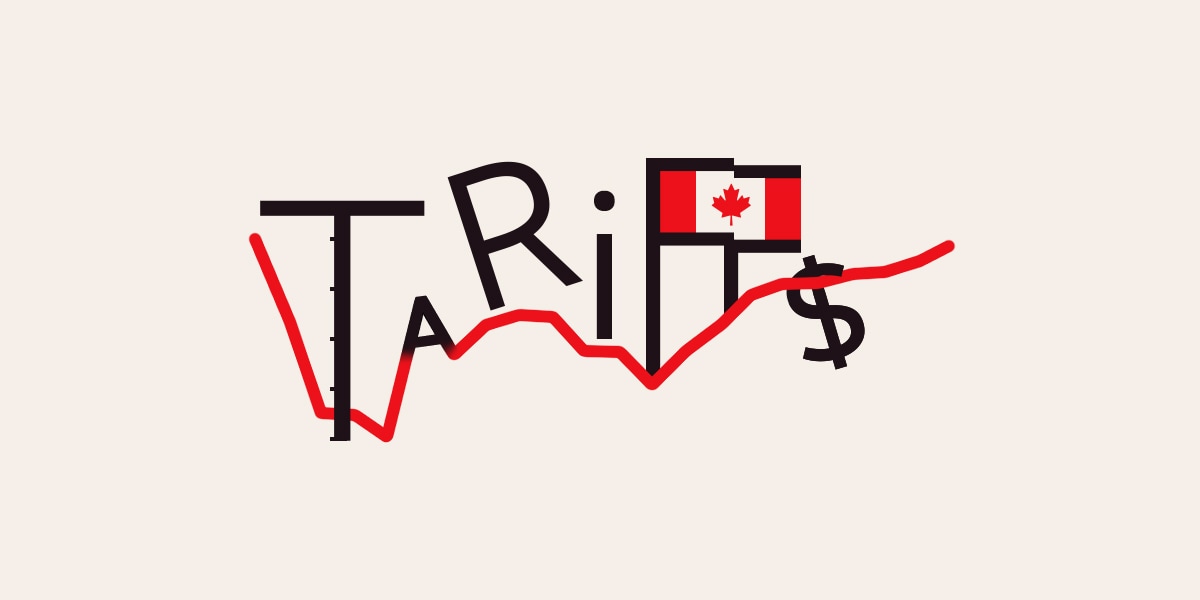
2025 was a year when global politics hit home — literally. Trump’s new tariffs and shifting trade rules dominated headlines and kitchen table conversations, and Canadians felt the ripple effects everywhere from the grocery checkout aisle to their investment apps. With so much speculation swirling, readers were hungry to cut through the noise and learn what tariffs actually do, why they matter and how they could impact their financial lives.
Articles that helped you understand what tariffs mean:

If 2025 proved anything, it’s that Canadians are endlessly resourceful when it comes to their money. Trends came and went, markets zigged and zagged and global politics occasionally waltzed right into our wallets — but people kept doing their best to adapt and stay one step ahead.
The articles Canadians gravitated toward this year tell an even bigger story: people want credible information that empowers them to make smarter choices, feel more confident and navigate a chaotic financial world that doesn’t show signs of slowing down.
As we wrap up 2025 and drift into the holiday season, it’s a good time to take a breath and recharge. Because yes, the economy will keep doing its thing, but your money mindset deserves a little joy, too. Here’s to a calmer, clearer, more financially confident 2026!
This article is provided for information purposes only. It is not to be relied upon as investment advice or guarantees about the future, nor should it be considered a recommendation to buy or sell. Information contained in this article, including information relating to interest rates, market conditions, tax rules, and other investment factors are subject to change without notice and The Bank of Nova Scotia is not responsible to update this information. References to any third party product or service, opinion or statement, or the use of any trade, firm or corporation name does not constitute endorsement, recommendation, or approval by The Bank of Nova Scotia of any of the products, services or opinions of the third party. All third party sources are believed to be accurate and reliable as of the date of publication and The Bank of Nova Scotia does not guarantee its accuracy or reliability. Readers should consult their own professional advisor for specific investment and/or tax advice tailored to their needs to ensure that individual circumstances are considered properly and action is taken based on the latest available information.
1 StatsCan. (November 2025.) Gross domestic product, income and expenditure, third quarter 2025. (Accessed December 2025.)
2 Canadian Bankers Association. Focus: How Canadians are banking in 2024 — practices and preferences. (Accessed December 2025.)
3 Ipsos. (October 2024.) MNP Consumer Debt Index Improves to 89 Points Amidst Interest Rate Declines. (Accessed December 2025.)
4 Payments Canada. (October 2025.) Canada reaches $12.2 trillion in payment transactions in 2024, with credit cards accounting for 1 in 3 transactions. (Accessed December 2025.)
5 Abacus Data. (October 2025.) 9 in 10 Canadians are Concerned About the State of Housing in Canada Today. (Accessed December 2025.)
6 CMHC. 2025 CMHC Mortgage Consumer Survey. (Accessed December 2025.)
