


 Sign In
 Sign In
Key takeaways:
If you’re in college or university, you're likely navigating major life milestones for the first time. Transitions like living away from home, managing your own money, applying for jobs or signing your first lease are exciting, but they can also attract unwanted attention from scammers. Fraudsters often look for moments of change — when decisions feel urgent, money is moving and details matter.
Thanks to the rise in artificial intelligence (AI), scams have become more sophisticated. Criminals can now make their messages look — and sound — real. And as AI technology improves, these tactics are increasing.
Here’s what to watch for, and how to help protect yourself.

Before you can avoid a scam, you need to know what it looks like. Here are some common schemes that target students.
AI-driven impersonation scams
With AI-enabled deepfake technology, fraudsters can clone voices or faces using short audio clips, videos or even photos posted online. They may pose as a parent, friend or school official with an urgent request for money or personal information. They may include personal details — such as where you live or the names of family members — to make the message even more convincing.
It’s not just phone calls either. AI-generated emails and text messages can closely resemble messages from professors, academic advisors, landlords or employers, and look legit at first glance. In reality, it could be a phishing scam.
Remember, if something sounds right but still feels off, hang up or take a moment before responding. Look for inconsistencies, subtle spelling or grammatical errors, unfamiliar contact details, money demands or requests that don’t quite make sense. Always verify urgent requests using a separate, trusted contact method — for example, by calling the person back using a legitimate phone number you already have.
READ MORE: How to spot and avoid AI scams
Fake apartment rentals
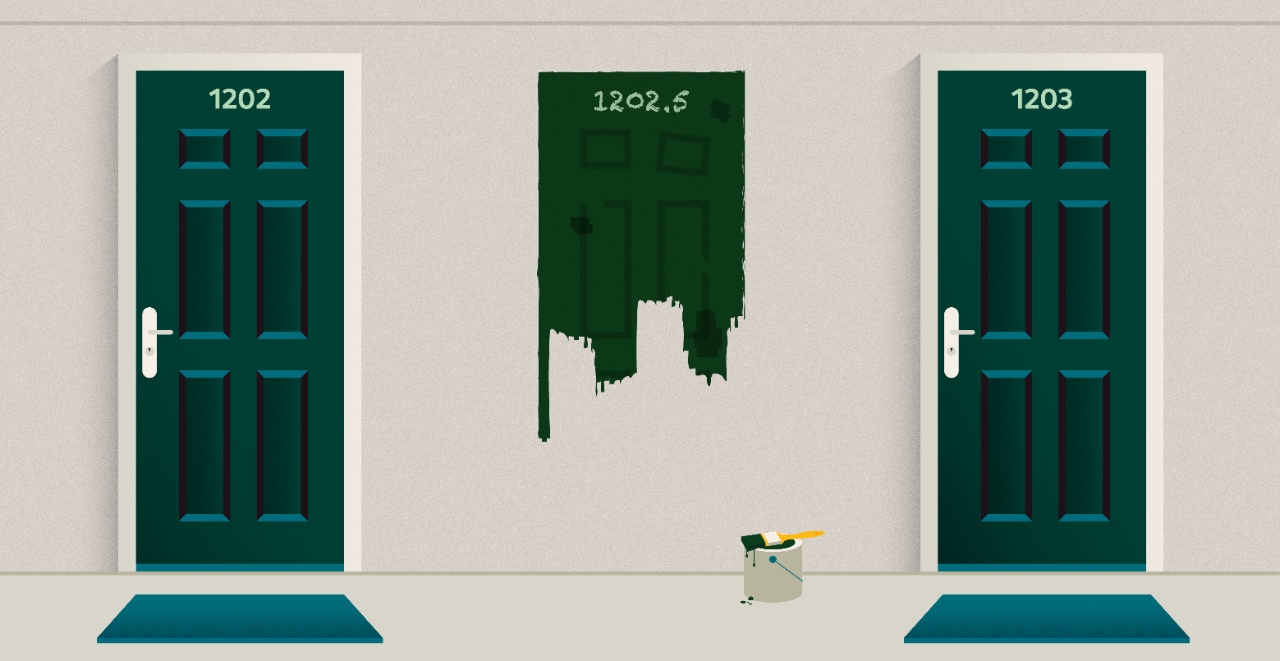
Rental scams targeting students often increase at the end of the summer. Scammers may post listings for places that aren’t for rent or don’t even exist, luring you in with the promise of low rent and great amenities.
Today, fraudsters are going a step further, using AI-generated photos or fabricated virtual tours to make a property look legitimate online.1 The listing can appear polished and professional — but the unit still isn't real.
One of the biggest red flags is a below-market price. Other warning signs include a landlord who:
- Asks for a deposit before you’ve signed a lease.
- Refuses to meet in person.
- Insists on only communicating electronically.
Be especially cautious if a landlord requests payment in cryptocurrency, asks for an e-Transfer before you’ve seen the unit or refuses standard and traceable payment methods.
If you’re out of town, ask for a live video walkthrough and verify the address independently. Taking a few extra steps can help you avoid losing money to a fake rental listing.
Financial aid and student loan scams
When money is tight, any offer of “help” can feel like a win. But when it comes to financial aid and loans, shortcuts are usually suspect.2
If someone offers to apply for student financial assistance on your behalf, be skeptical. Legitimate applications must be completed by you through official government websites. No one needs your login credentials, banking details or personal information to “handle it.”
You might also receive phishing emails or see social media posts promising interest-free student loans, guaranteed approval or fast funding with little to no verification. Real student loans don’t work that way. Enrolment must be confirmed, and applications must go through formal review.
The same applies to scholarships, bursaries and grants. Credible programs don’t charge upfront fees — not for registration, processing or “priority access.”
If anyone claims they can reduce or forgive your student loan debt in exchange for money or personal information, walk away. Official loan service providers don’t charge fees to erase debt.
Scammers often copy official logos and branding to make messages look convincing. When in doubt, go directly to the official website instead of clicking a link in a message.
Bogus job offers
Since fraudsters know that many students look for part-time work to help cover expenses, they create job postings.
Some use AI to build fake company websites, invent HR representatives or run automated interview chats that mimic real hiring processes. The offer may seem appealing — flexible hours, competitive pay and quick hiring.
Then, the requests start. It might be a job scam if you're:
- Asked to pay for training or equipment, sometimes using cryptocurrency.
- Offered “task” work boosting products or apps,3 with promises of higher earnings if you deposit funds into a crypto account.
- Told to use your personal bank account to move money on the company’s behalf.
These are warning signs, not actual job responsibilities.
In some cases, students are unknowingly drawn into money mule schemes, which puts both finances and reputation at risk. If an employer asks you to “help with transactions” or “process crypto payments,” you may be participating in a money laundering scheme, which can carry serious legal consequences. No reputable employer will ask you to send money or use your personal bank account to get hired.
Cheque overpayment scams
The overpayment scam tricks you into refunding money to a fraudster who has “overpaid” you with a fake cheque or stolen payment information.
For example, someone offers to buy an item you’ve listed online for $100 and sends a counterfeit cheque for $1,000 — more than the agreed upon amount.4 They claim it was a mistake and ask you to deposit the cheque and return the difference. The cheque eventually bounces, leaving you on the hook for the lost funds.
Scammers are now using AI to run convincing cheque overpayment scams with AI-generated:
- Identities
- Fake documents
- Polished email exchanges
Be cautious if you’re asked to refund money through cryptocurrency, gift cards, wire transfers or other hard-to-reverse payment methods. If this happens, don’t deposit the cheque or send funds back. Verify the payment with your financial institution first.
READ MORE: Types of bank scams and ‘urgent’ messages to avoid
Investment and cryptocurrency scams targeting students
Cryptocurrency scams often begin with grand promises of quick riches through bogus investment opportunities.5 On social media, messaging apps or dating platforms, someone may approach you with a way to make easy money — framed as an “exclusive student opportunity.”
Fraudsters often impersonate financial influencers or even legitimate investment firms with convincing copycat websites. The platform may look professional and even show early “profits” to build trust. Then, they encourage you to deposit more funds into a cryptocurrency wallet.
But in many cases, those returns aren’t real. And once cryptocurrency is transferred, it can be extremely difficult to recover.
Never send money or cryptocurrency to someone you haven’t met — especially if they avoid live video calls or push you to act quickly.
READ MORE: How to spot — and avoid — investment scams that could drain your accounts
AI-enhanced romance and friendship scams
AI has made romance scams and online friendship scams even more sophisticated. Fraudsters use AI-generated profile photos, deepfake videos, voice simulators or AI chatbots that carry on long, natural conversations with thoughtful responses and authentic-seeming emotions.
In some cases, scammers pose as celebrities, public figures or influencers, claiming to be reaching out privately to loyal fans. They may promise exclusive chats, special access or a meaningful personal connection.
Once a scammer establishes a relationship with you, the shift happens. There’s a financial emergency, a request for help or a “can’t-miss” cryptocurrency investment opportunity. They urge you to respond ASAP or keep the interaction confidential.
If someone you haven’t met in person quickly builds emotional closeness and then asks for money, be skeptical. The same goes if an alleged public figure privately messages you and requests funds or personal details. Taking a step back and verifying identities will protect your wallet — and your heart!
Some tips to help you stay safe from scams:
- Safeguard your personal information. Fraudsters search for details shared online, like your school or program of study.
- Use strong passwords and enable multi-factor authentication (MFA). AI tools allow scammers to quickly test stolen credentials. Extra layers of protection make it much harder for them to access your accounts.
- Review your social media privacy settings. Limit what strangers can see, download or use to impersonate you.
- Be wary of unsolicited messages. This includes unexpected job offers, financial aid or prize notifications.
- Watch for visual and audio inconsistencies. Deepfake videos or voice messages may have subtle glitches — lighting or shadows that don’t look right, lip movements that don’t match the audio, blurred edges or unusual background noise.
- Stay savvy. The Canadian Anti-Fraud Centre regularly shares updates on emerging scams, including AI-driven fraud. Knowing what’s circulating can make it easier to recognize and avoid a scam.
- Ask for a second opinion. If something doesn’t sit right, check with a trusted friend or family member. And if you believe you’ve encountered a scam, report it — speaking up can help protect others.
READ MORE: How to talk to your loved ones about fraud
If you’ve been scammed, you might feel a range of emotions, from embarrassment to fear, and be tempted to ignore it. That’s not uncommon — and also why so many scams go unreported. But staying silent only helps the scammer.
Reporting what happened can limit damage to your accounts and may prevent someone else from falling into the same trap. Contact your financial institution immediately if any of your financial details have been compromised and report the incident to the appropriate authorities, such as local law enforcement and the Canadian Anti-Fraud Centre.
This article is provided for information purposes only. It is not to be relied upon as financial, tax or investment advice or guarantees about the future, nor should it be considered a recommendation to buy or sell. Information contained in this article, including information relating to interest rates, market conditions, tax rules, and other investment factors are subject to change without notice and The Bank of Nova Scotia is not responsible to update this information. References to any third party product or service, opinion or statement, or the use of any trade, firm or corporation name does not constitute endorsement, recommendation, or approval by The Bank of Nova Scotia of any of the products, services or opinions of the third party. All third party sources are believed to be accurate and reliable as of the date of publication and The Bank of Nova Scotia does not guarantee its accuracy or reliability. Readers should consult their own professional advisor for specific financial, investment and/or tax advice tailored to their needs to ensure that individual circumstances are considered properly and action is taken based on the latest available information.
1 The Globe and Mail. (February 2026.) Reality check: How AI-altered images are duping buyers hunting for their dream home. (Accessed March 2026.)
2 StudentAid BC. (January 2026.) Student aid scams: how to protect yourself. (Accessed February 2026.)
3 Canadian Anti-Fraud Centre. (January 2026.) Crypto job fraud, boosting products or online tasks. (Accessed March 2026.)
4 Canadian Bankers Association. Overpayment scam. (Accessed February 2026.)
5 Canadian Investment Regulatory Organization. (December 2025.) Investor alert: Fraudulent crypto platform impersonating Interactive Brokers Canada Inc. (Accessed February 2026.)
and
Investment Executive. (October 2025.) Fraudsman impersonated crypto influencers. (Accessed February 2026.)
