

It’s been four months since Hurricane Melissa tore through Jamaica, flattening homes and causing widespread damage to key infrastructure. The Category 5 hurricane was the strongest storm to strike the island, leaving 45 people dead and an estimated $12 billion CAD in damages, according to the World Bank.
Rebuilding after the Oct. 2025 disaster started immediately and Scotiabank was part of that effort from the beginning. Every individual employee – nearly 1,800 across the island – was tracked down by the Bank to make sure they were safe, food and shelter was provided to whomever needed it, and branches reopened quickly so clients could access their money to purchase necessities.
“The first thing was, at a human level, to make sure we knew where our employees were and understanding if they needed additional support,” said Audrey Tugwell Henry, President and CEO, Scotia Group Jamaica.
Tugwell Henry lives and works in Kingston, Jamaica’s capital, and led the natural disaster response coordination on the ground through Scotiabank’s Local Incident Management Team, planning every detail from the mobilization and recovery of staff to the reopening of the Bank’s 28 branches.
Before the storm arrived, Scotiabank’s Procurement team tracked down supplies such as electric generators for branches and bought canned food and personal hygiene items for any staff members who would need them.
In the days after the hurricane, Tugwell Henry says Scotiabank went to great lengths to ensure all staff were accounted for and safe, including providing essentials for employees.
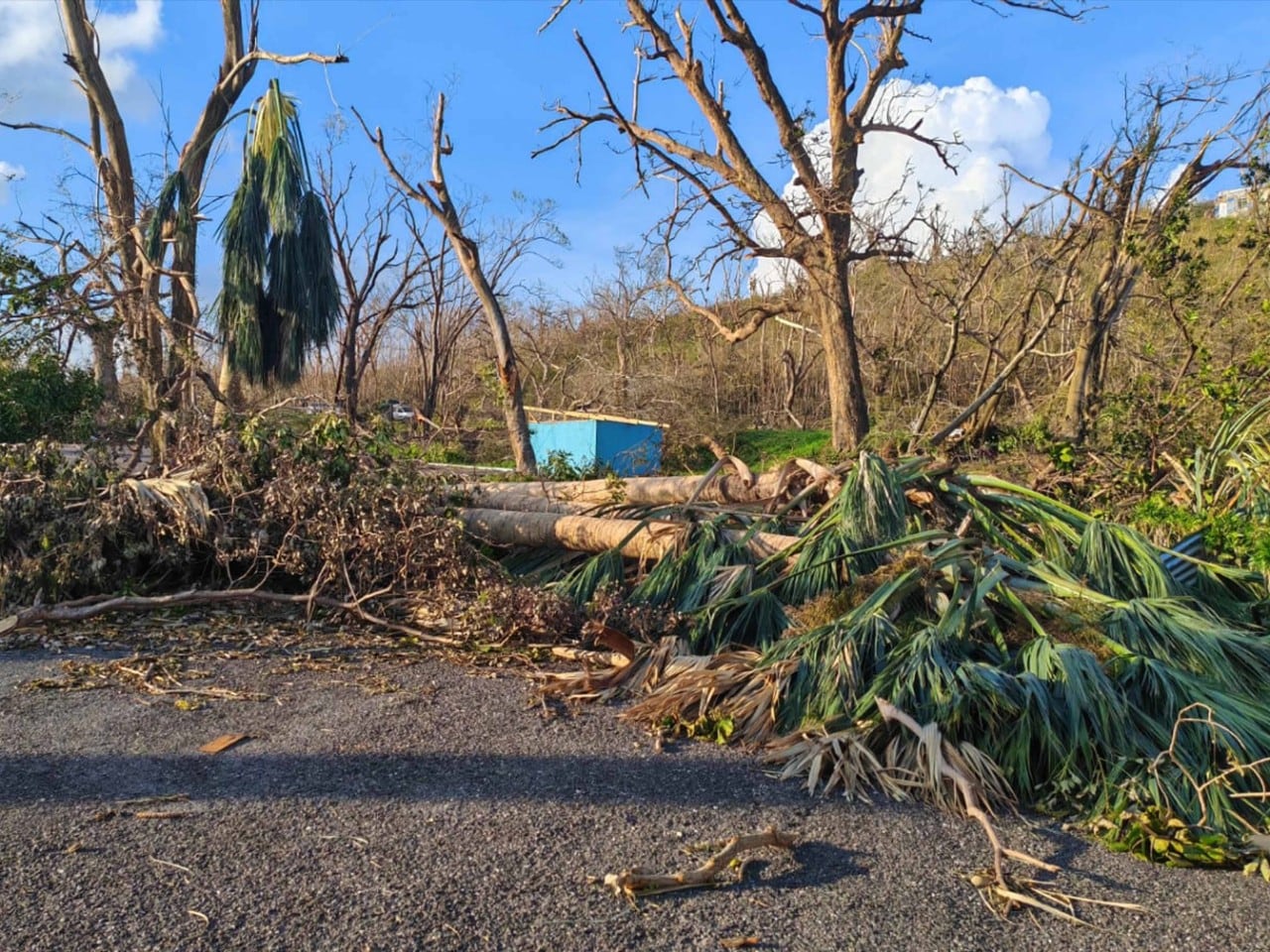
Trees and vegetation block a road in Saint Elizabeth, Jamaica.
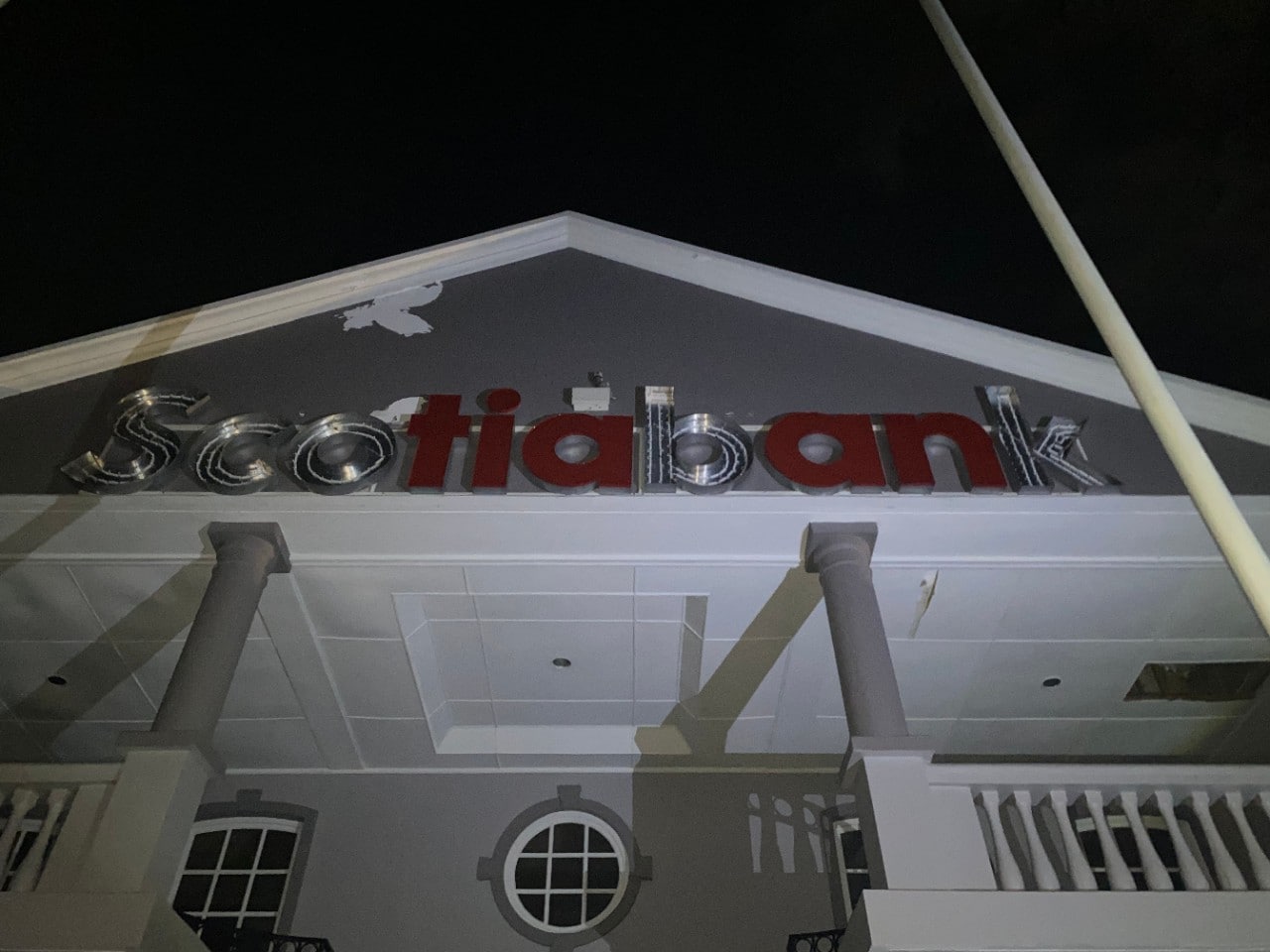
A damaged branch sign in Falmouth, Jamaica.
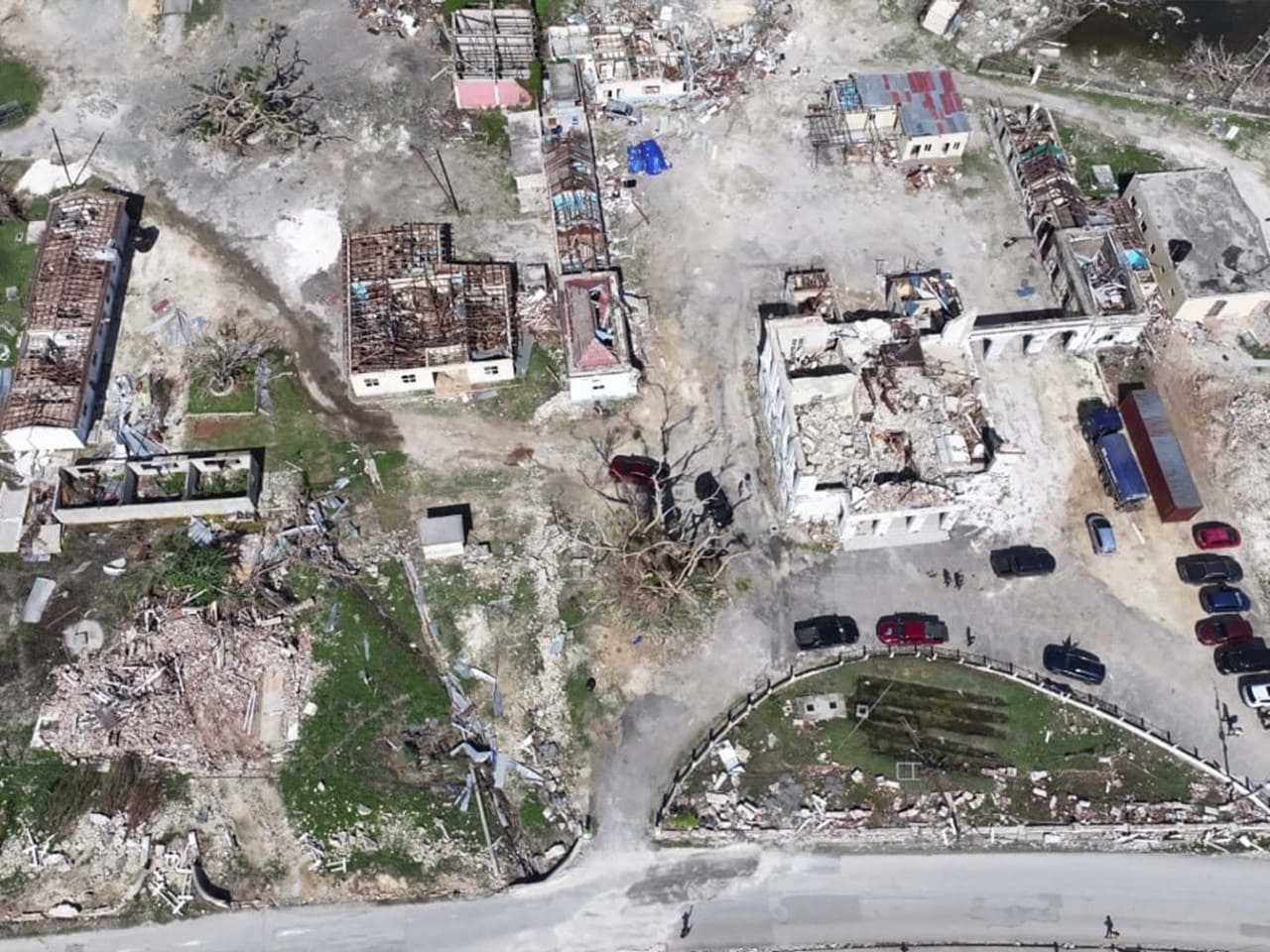
Extensive damage seen from above in Black River, Jamaica.
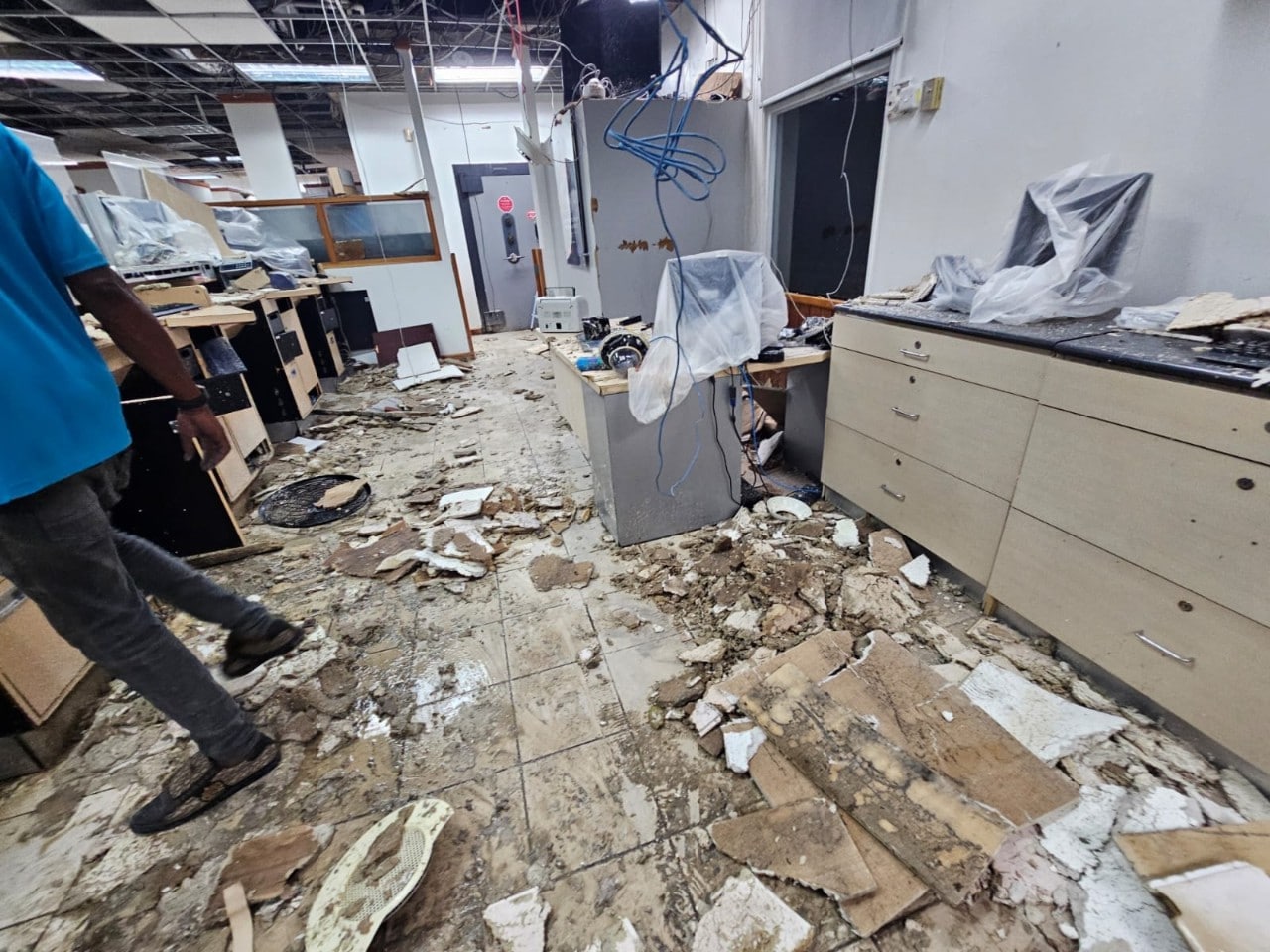
Debris covers interior of Scotiabank branch in Savanna-la-Mar, Jamaica.
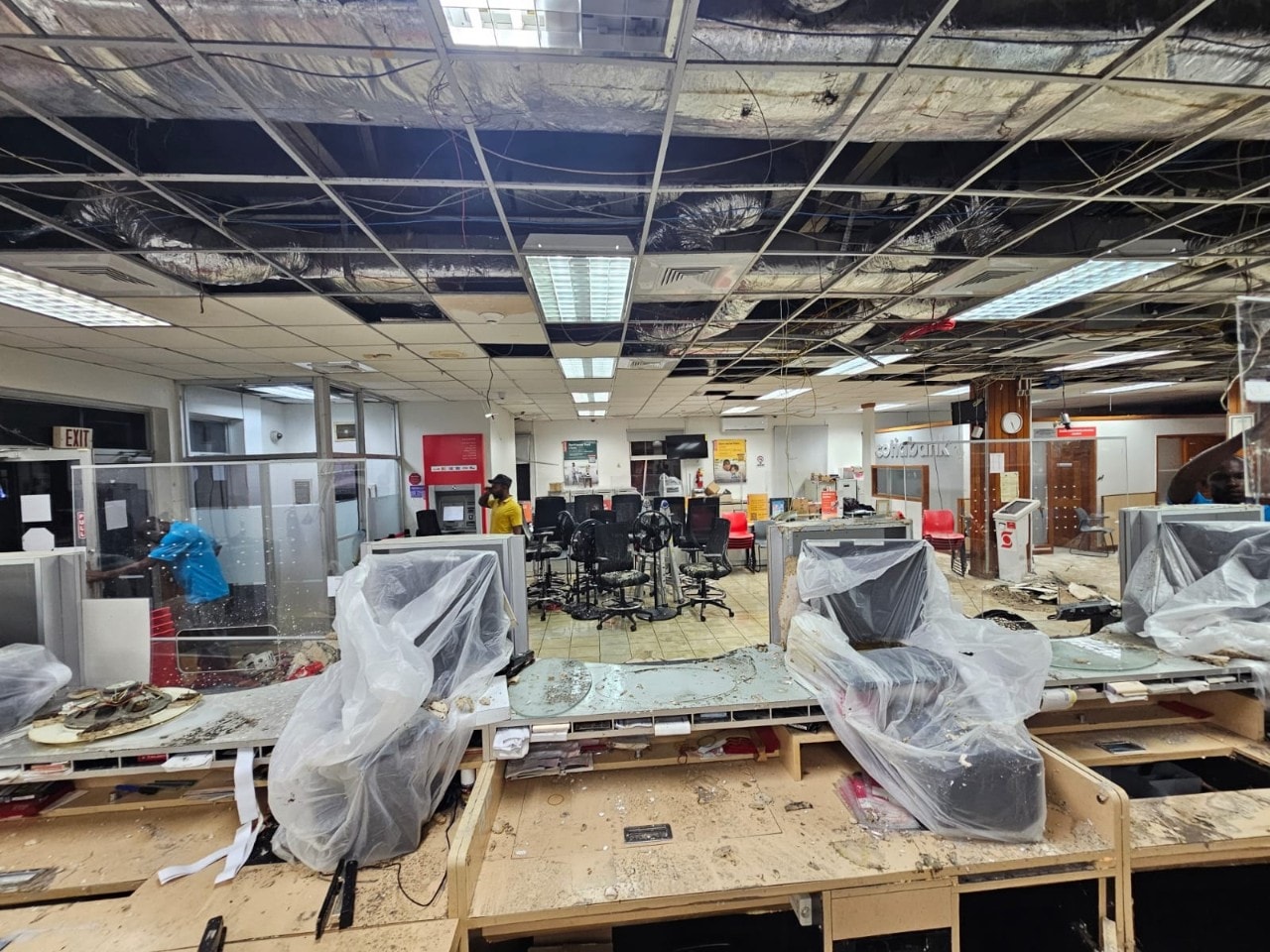
Debris covers interior of Scotiabank branch in Savanna-la-Mar, Jamaica.
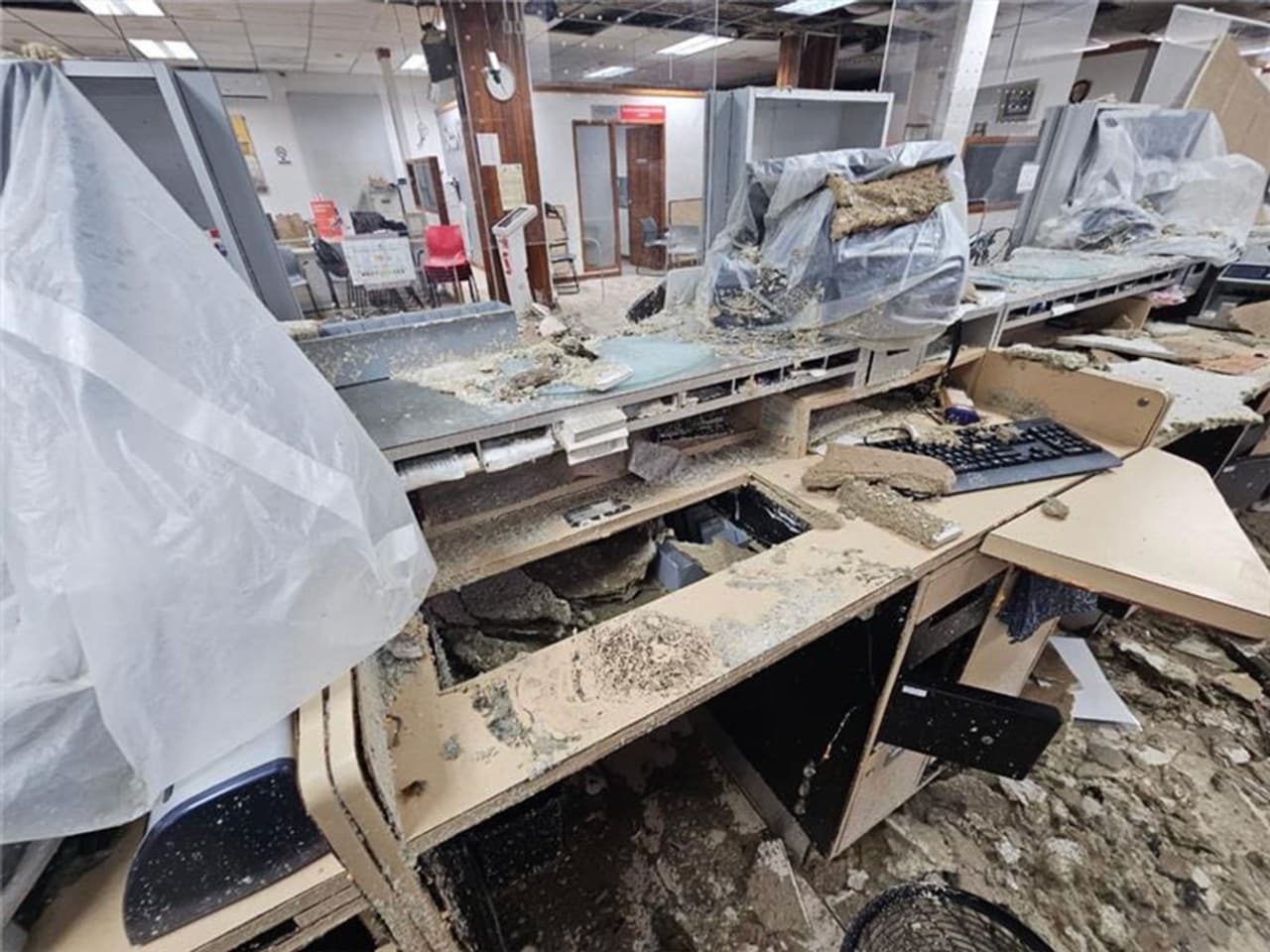
Debris covers desks in a branch in Savanna-la-Mar, Jamaica.
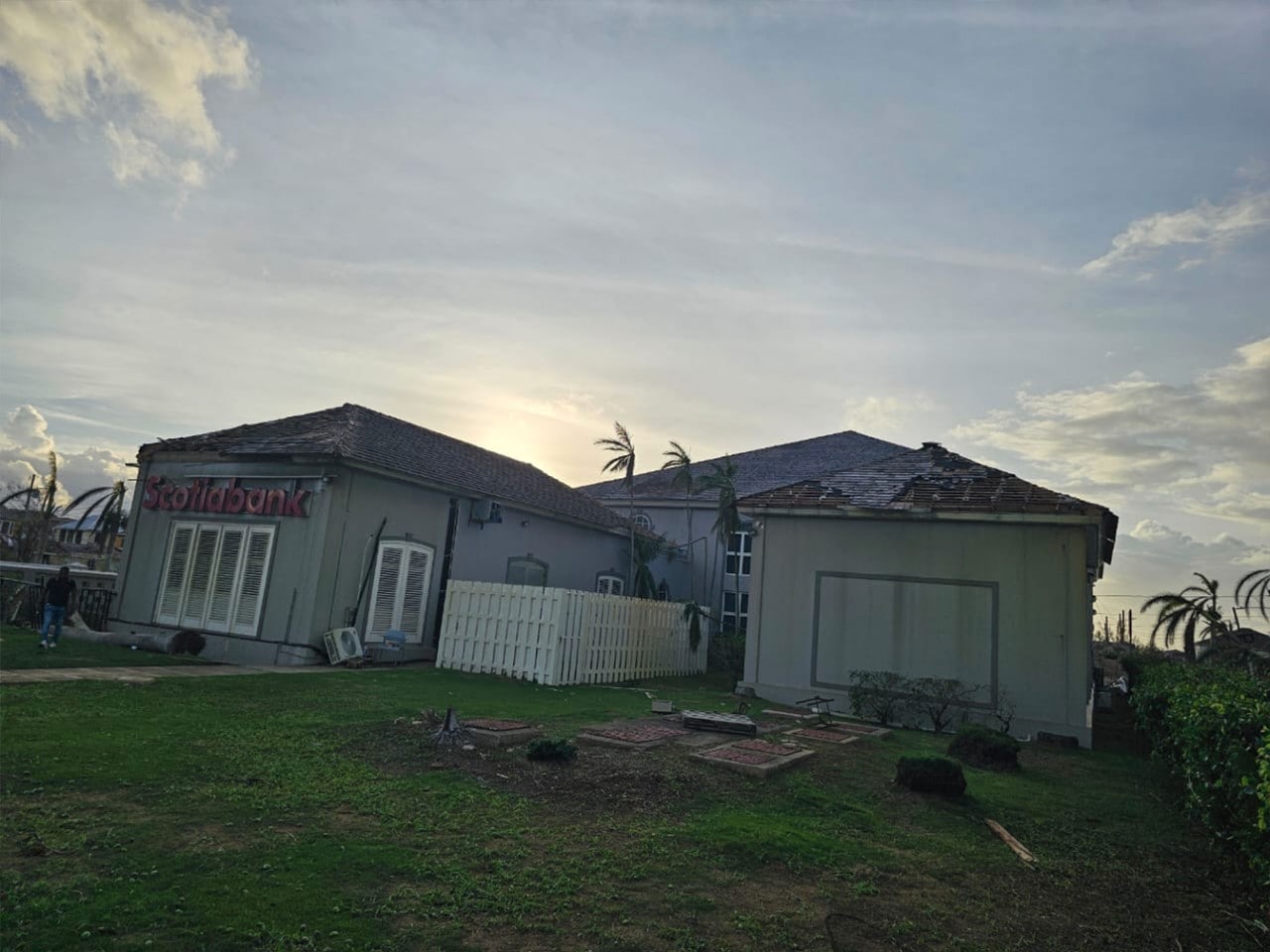
A Scotiabank branch in Falmouth, Jamaica, post hurricane.
"Hurricane Melissa deeply affected many of our employees, particularly in the southern and western regions. Our focus was to stand with them in practical and meaningful ways, providing food and essential supplies, financial relief through a no-obligation grant, temporary accommodation, and emotional and counseling support for their families as they worked to recover and rebuild,” said Tugwell Henry.
The Bank’s procurement team also stepped in to provide hotel rooms for any Scotiabankers who needed to be relocated in the aftermath of the hurricane.
Scotiabank also contributed $400,000 CAD to support relief and rebuilding efforts across Jamaica along with another $900,000 CAD towards the island’s recovery efforts and supporting economic resilience done via the Scotiabank Jamaica Foundation, which supports nation-building through donations and interventions to improve education and health care.
Scotia command centre used geotagging to identify employees
One of the ways Scotiabank was able to track its employees was through geotagging technology run from a command centre in Toronto.
Gearing up to the hurricane’s landfall, the Canadian team led by Andrew Shin, Senior Vice President of Enterprise Corporate Security, and Adriano Di Carlo, Vice President, Enterprise Physical Security, was tracking the storm on weather programs and CCTV footage.
The team was trying to understand the hurricane’s potential impact and speaking to Tugwell Henry and her crew on the ground about the precautionary tools in place, such as generators and fuel.
Large contact lists were created, and Jamaican employees were asked to submit the locations of where they planned on riding out the massive weather event.
On Oct. 28, last year, Hurricane Melissa touched down on the island, bringing torrential rain, landslides, and winds reaching speeds of 320 kilometres per hour. It took several hours to pass over the country, leaving much of the population without power. Still, the control team in Toronto was working around the clock to locate every employee.
Security officers sent to find missing employees
In addition to looking at geotags, the control team sent out emails, calls, text messages, and even monitored connectivity to bank systems and platforms – anything to confirm Scotiabank staff members were safe.
“Communication wasn’t a Scotiabank issue, it was an island issue,” said Di Carlo. “Lines were down, which made the task very challenging.”
The physical security team began sectioning off the island into areas where they knew there was some type of connectivity. In Mandeville, Jamaica, for instance, they had heard from 50% of the employee base through Scotia’s mass communication system asking if they were safe, proof that some of the telecommunication infrastructure in that area was working. Whereas in other cities, the team received no response to messages that were sent almost hourly, indicating little to no telecommunications activity in those regions.
The first thing was, at a human level, to make sure we knew where our employees were and understanding if they needed additional support.
With the areas of connectivity mapped out, Di Carlo and Shin began sending hired security contractors and local corporate security staff to the areas that had some electricity and cell service to find the employees who had not yet been accounted for. Once they reached 100% of the employee base in those areas, they moved on to the hardest hit zones.
“We tracked down all of our employees within six days, it was really impressive,” said Shin. “It’s the first time this kind of work had been coordinated from the Toronto control centre and the fact that it went so well is a testament to careful planning and all the hard work of our team members on the ground.”
Scotiabank an essential service in Jamaica
Once Scotiabank’s nearly 1,800 Jamaican employees were accounted for and safe, the next step was enabling the workforce to resume business operations.
More than half of the Bank’s branch network was opened to the public almost immediately and within the first week, a customer assistance program was ready for deployment. The program provides financial relief for affected clients, allowing them to defer loan payments. A similar program is in place for employees. In addition, Scotiabank is providing employees with counselling and mental health support as the island and its people continue to rebuild.
“Reopening quickly and safely was very critical because we are considered an essential service in the country,” said Tugwell Henry.
