For Debbie Yee, farming has always been more than a business. It has been a way of life, a family legacy and a daily lesson in resilience.
Since arriving in Canada in 1956, Yee has spent most of her life close to the land. Her father first worked on a farm in Cooksville, now part of Mississauga. By the next morning after the family arrived, Yee remembers being in the field, bunching green onions. Two years later, her family moved to Mount Albert, Ont., where her father partnered with two other men and began building a future in agriculture.
As the oldest child, Yee quickly became an important part of that future. Her parents did not speak English, so she often helped make contacts, speak with suppliers and customers, and figure out which crops the farm should grow. “I learned by doing,” she says.
That early experience would shape the rest of her life. Today, Green Valley Farms has been part of the Mount Albert community for decades, growing fresh produce and spring annuals for customers across Ontario and parts of the United States.
Growing a family business from the ground up
Green Valley Farms’ story is closely tied to family. Yee’s future husband, Huey, had travelled to Canada on the same ship as her father. After learning that her family was living in Mount Albert, he began visiting the farm. In 1956, Huey purchased the property with his sister and brother-in-law. A decade later, he bought their shares and became the sole owner of the farm. Debbie and Huey married in 1968, and she has been helping build the business ever since.
After finishing high school, Debbie joined Huey in expanding the operation. He built the farm's first greenhouse, marking the beginning of their bedding plant business. From there, Green Valley Farms grew steadily, guided by practical experience, strong relationships with seed suppliers and sales representatives, and a close understanding of what customers wanted.
Today, Green Valley Farms produces a wide range of vegetables, including asparagus, cabbage, cauliflower, kale, collard greens, cilantro, kohlrabi, Swiss chard and dandelion greens. In the spring, the farm also grows annual bedding plants that are delivered to Costco locations across the Greater Toronto Area through its long-standing relationship with Bonanza Gardens.
The power of long-term relationships
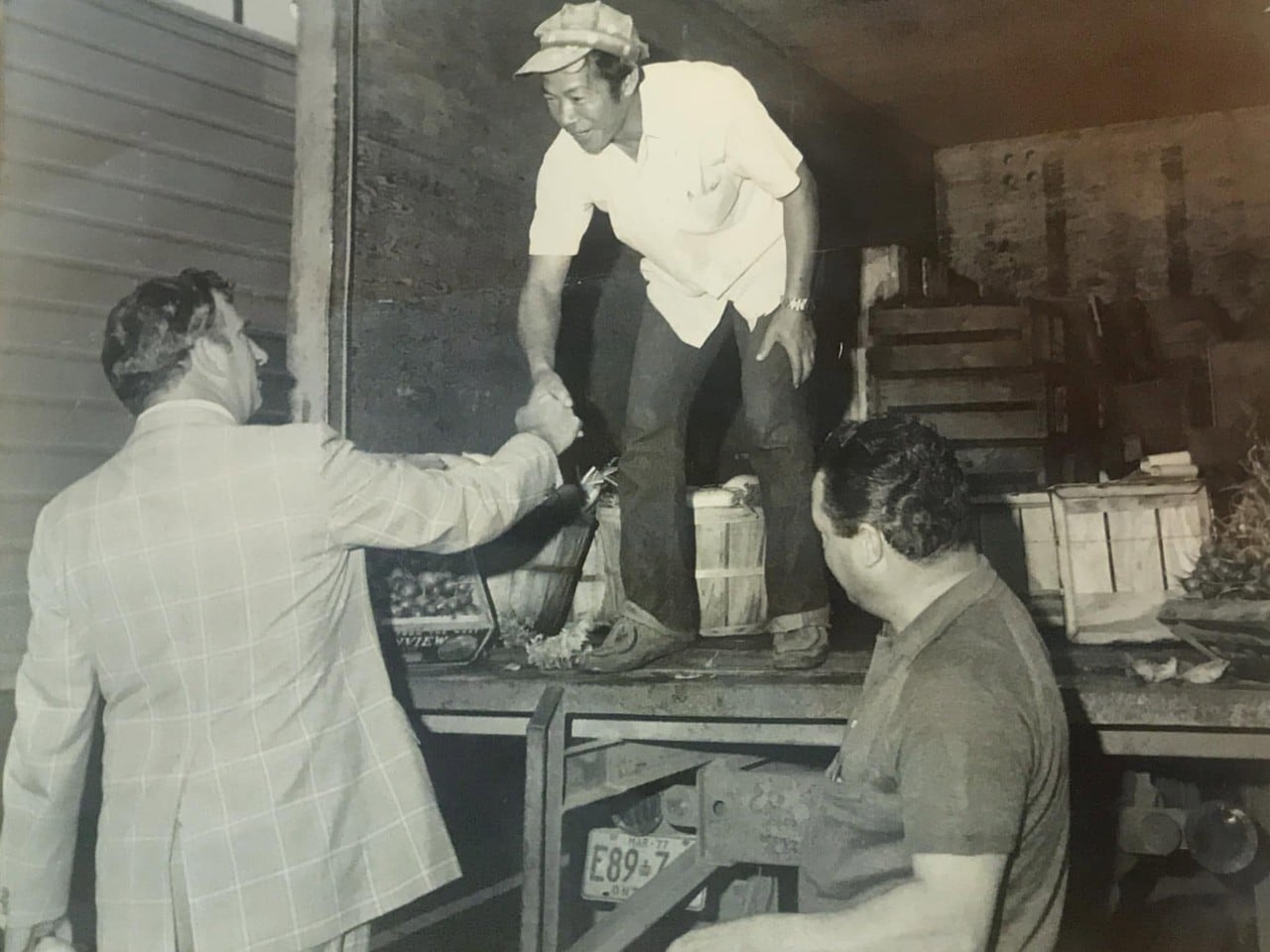
Many of Green Valley Farms’ opportunities have come from relationships built over time. In the early 1990s, Huey met Gene Bidinot at the Ontario Food Terminal. Bidinot began buying bedding plants from the farm to sell from his store in Mimico. As his business expanded into Bonanza Gardens, the relationship grew with it.
Now, Bonanza Gardens provides Green Valley Farms with orders, and the farm delivers plants directly to Costco stores across the GTA. For Yee, it is a reminder that one meaningful business connection can grow into something that lasts for decades.
The farm has also expanded through wholesale channels, selling produce through the Ontario Food Terminal, Chinese grocery stores and other customers. One customer in Michigan discovered the farm after seeing its boxes in the market. During the season, Green Valley Farms now ships vegetables there several times a week.
“A lot of those opportunities came through people seeing our products, getting to know our business and approaching us directly,” Yee says.
Adapting through challenge
Like many agricultural businesses, Green Valley Farms must constantly adapt to forces outside its control. Weather remains one of the biggest challenges. Flooding, hail, broken greenhouse glass and late frost can all affect the farm’s ability to harvest and sell its crops. A late frost, for example, can damage asparagus and delay the season while the farm waits for new spears to grow.
Costs have also risen. Machinery, labour, fuel, trucks and tractors are all expensive, and Yee says people do not always realize how much work and investment go into producing a crop. This year has brought its own challenges, including a cold spring and more cautious consumer spending, which affected vegetable and flower sales.
Still, Yee’s approach has remained steady: keep going, adjust when needed and focus on the work in front of you. “Farming is tough,” she says. “But having a supportive family, strong work ethic, and a sense of humour helps. I still get satisfaction from seeing things grow and seeing them sell.”
A team built around the season
Green Valley Farms typically employs about 14 seasonal workers. The farm has participated in the Temporary Foreign Worker Program since 1974, a decision Yee says became necessary as it grew more difficult to find enough local workers for the season.
Before that, the farm relied on university students, family friends and young people from the community to help during the summer. Over time, fewer people were interested in the physical demands of farm work.
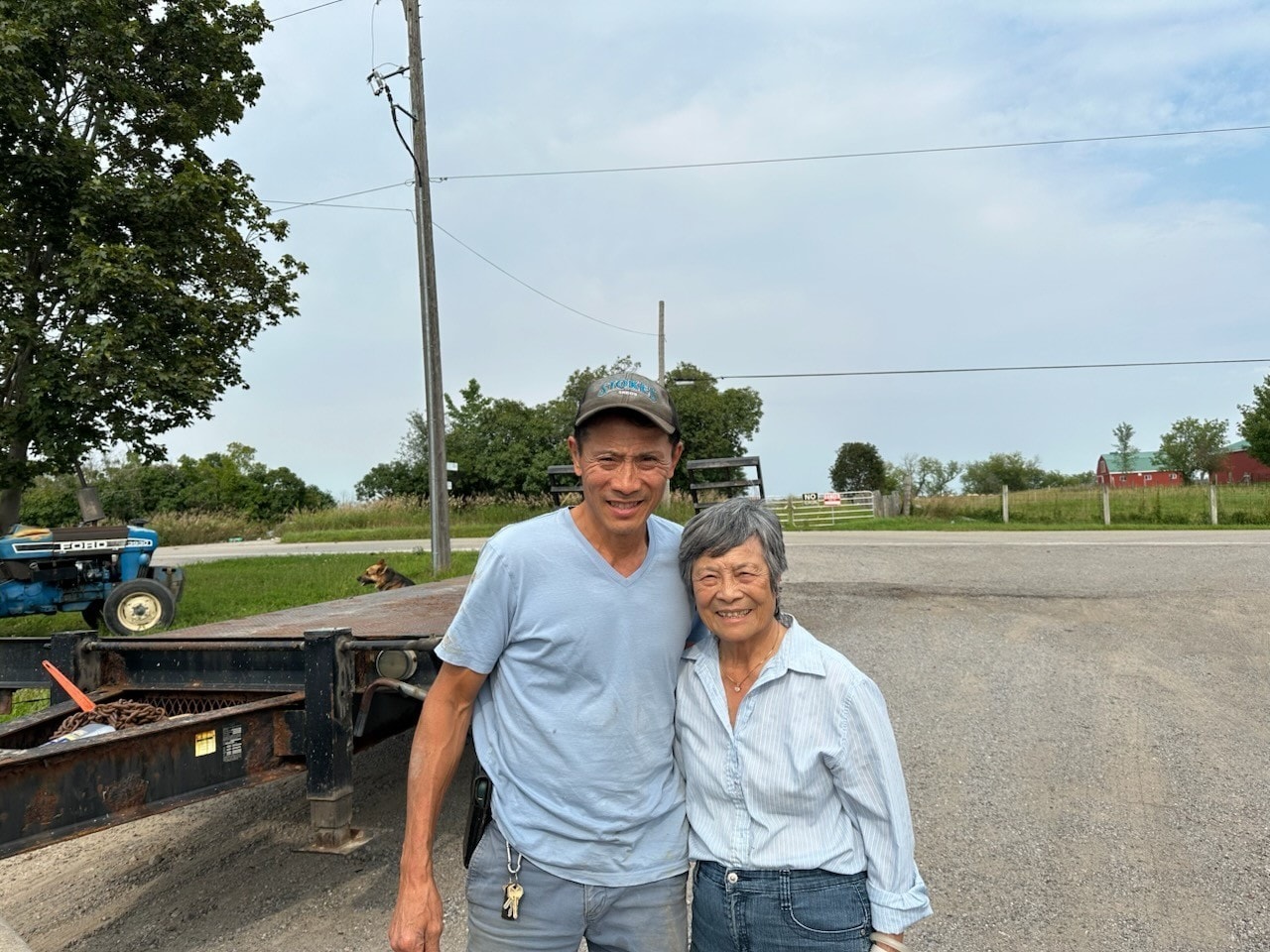
Yee also works closely with her son, Kerry. She looks after the bedding plants, while Kerry manages the field crops. Her brother, who sold his own farm several years ago, now comes over to help as well.
Farming with care for the land and community
For Yee, responsible farming means growing a good product while being careful about how it is produced. That includes understanding the soil, rotating crops and following proper timelines when applying crop-protection products so vegetables remain safe.
“You have to be aware of what is good for the land and the environment,” she says.
The farm also supports the local community when it can. When crops are no longer going to be harvested, Green Valley Farms donates them to local food banks. Sometimes a neighbour helps harvest the remaining produce, and local organizations come to the farm to pick it up. Over the years, the farm has also donated plants and flowers to the Lions Club and provided produce to a nearby church that holds a small farmer’s market every Saturday.
“It’s important to support the local community and local farmers,” Yee says.
A banking relationship grounded in understanding
As Green Valley Farms continued to grow, Yee says having a banking partner that understood the realities of the business became increasingly important. About 30 years ago, the farm was looking for financing to build more greenhouses. Scotiabank's commitment to understanding and supporting the business's needs ultimately led Green Valley Farms to switch its banking relationship to the bank.
For Yee, the value of that relationship comes down to accessibility, trust and understanding. “It’s important to have a bank that is easy to deal with and willing to understand your business,” she says.
She describes her Scotiabank advisor, Lenore Hanus, as someone who is easy to talk to and quick to help when questions or concerns arise. That kind of connection matters in a business where decisions often need to be made quickly and where unexpected challenges can come from anywhere.
Earlier this year, Yee received a suspicious phone call and became concerned that one of her accounts had been compromised. She contacted Hanus the following morning, and her advisor responded immediately. Hanus walked her through the accounts she should review, advised her on who to contact, and examined account activity on her end to ensure there were no unusual transactions.
“She helped put my mind at ease and gave me clear steps to follow,” Yee says. “It was reassuring to know I had someone I could contact and trust.”
Still rooted in hard work
After decades of farming, Yee is clear about what has contributed most to Green Valley Farms’ longevity: hard work.
Some days, she is still in the field for 12 or 14 hours, doing whatever the farm needs. The work is demanding, unpredictable and often shaped by factors outside her control. But for Yee, the reward remains simple and deeply personal.
“You have to keep going,” she says.
Prepared in collaboration with the Canadian Federation of Independent Business (CFIB).
Speak with a Scotiabank Business Advisor today to explore banking solutions that can help support your business goals.